New Cross rubbish removal guide for SE14 homes
If you live in SE14, rubbish has a way of building up quietly. One broken wardrobe in the hallway, a tired sofa in the front room, a couple of bags after a loft sort-out, and suddenly the place feels smaller than it should. This New Cross rubbish removal guide for SE14 homes is here to make the whole thing less stressful, more practical, and a lot easier to plan. Whether you are clearing a flat near New Cross Gate, emptying a house after a move, or dealing with a post-renovation mess, the right approach can save time, money, and a fair bit of hassle.
Below, you will find a straightforward explanation of how rubbish removal works in New Cross, what to expect, what to avoid, and how to choose the most sensible option for your home. No fluff. Just the useful stuff.
Why New Cross rubbish removal guide for SE14 homes Matters
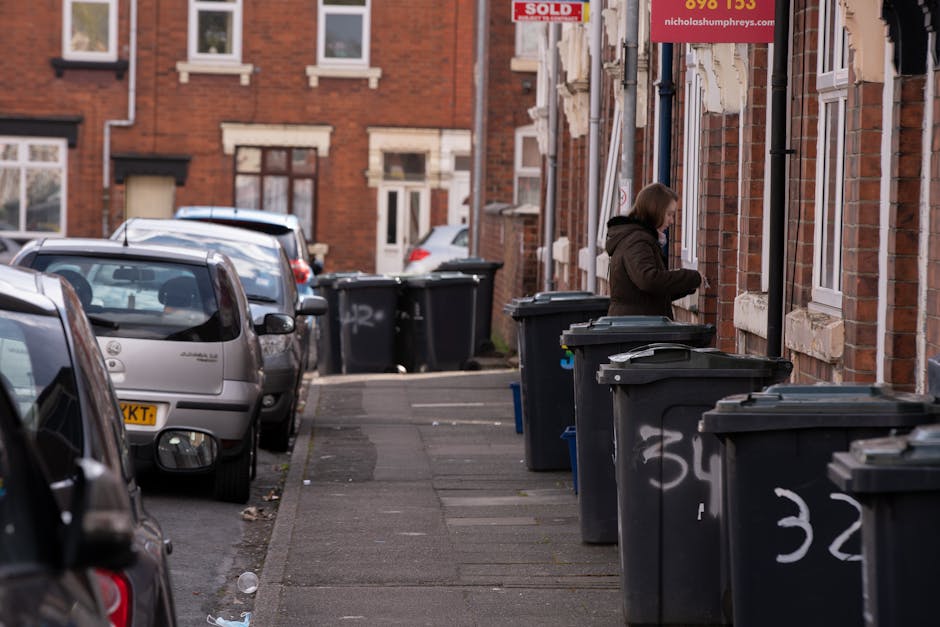
New Cross has a very specific kind of housing mix. You get compact flats, older terraces, converted properties, shared homes, and narrow access roads that can make even simple disposal jobs feel awkward. That matters because rubbish removal is not just about getting rid of clutter. It is about doing it safely, legally, and without causing damage to your home or your back. Let's face it, dragging a cracked fridge down two flights of stairs at 7:30 on a wet Tuesday is nobody's idea of a good time.
For SE14 homes, the challenge is often about space and timing. The bin store may be full. The lift may be tiny. Parking may be limited. A pile of waste that looks manageable on the floor can become a real problem once you start moving it. This is where a proper rubbish removal plan helps. It turns a vague "we should sort this out" into a clear job with an end point.
It also matters because not everything can go out with household bins or local collections. Some items need separate handling, some need specialist disposal, and some should simply not be left on the pavement. When you know the difference, you avoid fly-tipping risk, missed collections, and awkward conversations with neighbours. That bit alone is worth the effort.
How New Cross rubbish removal guide for SE14 homes Works
At its simplest, rubbish removal is the process of collecting unwanted items from your property and taking them away for sorting, reuse, recycling, or disposal. In practice, the job usually starts with a quick look at what needs to go. That could be mixed household waste, old furniture, garden waste, broken appliances, loft clutter, or building debris after a DIY project.
For most homes in SE14, the process usually follows a fairly tidy pattern:
- You identify what needs clearing and group similar items together.
- You decide whether the load is light, medium, or heavy. That helps with pricing and vehicle choice.
- You check access, parking, and any stairs, lifts, or tight spaces.
- You book a collection time that works for your household.
- The waste is loaded, removed, and taken to the appropriate place for sorting.
What happens after collection depends on the type of waste. Reusable items may be separated, recyclable materials may be sorted, and the rest is handled according to the relevant waste stream. If you have larger items such as white goods or furniture, it is usually better to flag them early. That avoids a surprise on the day and, frankly, saves everyone a bit of back and forth.
If you are comparing rubbish removal with other clearance services, it helps to think in terms of scope. A one-off bag collection is different from a full home clearance, and a mixed load after redecorating is not the same as a specialist builders waste clearance. Picking the right service matters more than people expect.
Key Benefits and Practical Advantages
For SE14 households, the biggest benefit is time. Clearing rubbish yourself can eat up a whole weekend, especially if you need several trips, parking luck, or a last-minute trip to a reuse site. A well-planned removal service compresses all of that into one managed job. In other words, your Saturday stops being a disposal project and becomes your Saturday again.
There is also the safety angle. Old mattresses, awkward furniture, broken tiles, and damp bags of mixed rubbish can all be harder to handle than they first appear. Avoiding strain injuries and accidental damage is a real advantage, especially in homes with narrow halls, stairwells, or shared entrances. You do not want a wardrobe corner taking a bite out of the wall paint on the way out. Been there, seen that, not fun.
Another benefit is that professional rubbish removal usually fits better around London living. If you have limited storage, odd working hours, or neighbours close by, an efficient collection can be a relief. It reduces the time waste sits around, which means less mess, less smell, and less friction with the rest of the household.
Environmental handling is another strong point. Reputable services aim to separate recyclables and avoid sending everything to landfill. If sustainability matters to you, it is worth reading about recycling and sustainability practices before you book. Small choice, good long-term impact.
| Benefit | Why it matters in SE14 | Typical result |
|---|---|---|
| Time saved | Busy schedules and limited parking make DIY clearance slower | One visit instead of several trips |
| Safer handling | Stairs, narrow halls and heavy items increase risk | Less lifting, less strain |
| Cleaner finish | Clutter can quickly overwhelm compact homes | A quicker return to normal living |
| Better sorting | Mixed waste is easier to separate properly with the right process | More reuse and recycling potential |
Who This Is For and When It Makes Sense
This kind of rubbish removal guide is useful for a lot of SE14 residents, not just people doing a full clear-out. It makes sense if you are a tenant leaving a flat and want it tidy before handing back keys. It also makes sense if you have inherited a property and need to remove accumulated items without dragging the process out for weeks.
Homeowners use rubbish removal after redecorating, replacing furniture, or clearing an overstuffed garage, loft, or spare room. Landlords need it after void periods, tenant moves, or property refreshes. Families often need it after spring cleaning, a house shuffle, or that point where the spare room has quietly become a storage cave. Truth be told, that happens faster than people admit.
It is also a strong option for people who do not want a skip sitting outside their property. In New Cross, skip space and road access can be awkward, and some households simply prefer a collection-based approach. If you are unsure whether a skip is actually the better choice, it can help to review what can go in a skip before deciding.
Finally, it makes sense when the job is emotionally heavy. Clearing a home after a long time, a move, or a family change is not just physical work. Sometimes you need the practical part handled quickly so you can focus on everything else. That is a very real reason to ask for help, and a perfectly normal one.
Step-by-Step Guidance
Here is a simple way to approach rubbish removal without getting overwhelmed. A clear plan helps more than motivation. Motivation tends to disappear around the second bin bag.
- Sort the waste into rough groups. Put furniture, bagged waste, electrical items, garden waste, and building rubble into separate piles if you can. Even basic grouping makes the job smoother.
- Check for restricted items. Some items need specialist handling, especially anything hazardous, electrical, or bulky in a way that could damage communal areas.
- Measure the awkward bits. Doors, hallways, stairs, and lifts can all become important. A sofa that fits in the lounge may still be a headache on the way out.
- Take clear photos. This is especially useful if you are comparing services or asking for an estimate. A photo beats guessing every time.
- Choose your collection window. If you live on a busy street or have parking restrictions, timing can make a big difference.
- Prepare access. Move small items out of the route, unlock gates, and make sure someone is available if needed.
- Confirm the final load. On the day, make sure nothing important gets bundled in by mistake. This happens more often than people think, especially during a fast clear-up.
If you want a broader domestic clearance that covers more than loose rubbish, a house clearance or flat clearance may be more suitable. The right choice depends on volume, item type, and how much of the property needs attention.
Expert Tips for Better Results
First tip: do not wait until the room is completely packed before deciding what goes. The earlier you start sorting, the less likely you are to end up with panic piles. A small, steady approach usually beats a heroic last-minute session.
Second tip: keep reuse in mind. Some furniture is too worn for a second life, but some is still perfectly serviceable. If you have decent chairs, tables, or wardrobes, separate them from true waste before collection. The same applies to bedding and soft furnishings. For those, a dedicated furniture disposal or mattress and sofa disposal route may be more efficient than treating everything as mixed rubbish.
Third tip: think about access like a delivery driver would. Is the lift working? Is there a tight corner at the top of the stairs? Is there room to pause items without blocking your neighbour's doorway? Small details save time. And temper, if we are being honest.
Fourth tip: if the waste includes items that may be sensitive, such as paperwork or files, keep them separate and ask about secure handling. For that sort of job, confidential shredding is a more sensible route than just tossing documents into general waste. Peace of mind matters.
Expert summary: The smoothest SE14 rubbish removals are the ones where the waste is sorted in advance, access is checked early, and awkward items are flagged before collection day. That simple routine cuts stress more than any fancy system.
Common Mistakes to Avoid
One of the most common mistakes is underestimating volume. A few bags in the corner can turn into a van-full once you start pulling things out of cupboards, sheds, or loft spaces. It is a classic. Happens all the time.
Another mistake is mixing safe household rubbish with items that need specialist treatment. Fridges, freezers, and similar appliances should not be treated as ordinary waste. If you need help with those, use a service designed for fridge and appliance removal. It is cleaner, safer, and much less likely to go wrong.
People also forget about weight. Bags of rubble, soil, or wet garden waste can be far heavier than they look. A light-looking pile in the yard can become a shoulder-breaking problem if you try to move it all in one go. For outdoor jobs, garden clearance is often the better fit.
Then there is the old mistake of leaving waste in a communal area "just for a bit." In shared SE14 buildings, that can become a nuisance quickly. It can also create disputes, especially if the pile is blocking access or encouraging pests. Better to get it gone, properly, and move on.
Tools, Resources and Recommendations
You do not need a warehouse full of equipment to prepare for rubbish removal, but a few basic tools make life easier. Strong gloves help with sharp edges and dirty surfaces. A tape measure is useful for bulky items. Heavy-duty bags, labels, and a marker pen can also save you time when sorting different waste types.
In practical terms, your best resources are often the service pages that match the actual job. If the clearance is tied to a renovation, look at builders waste clearance. If it is a full domestic reset, home clearance is usually more appropriate. For garages, there is garage clearance, and for lofts, there is loft clearance. Matching the job to the right service is half the battle.
If pricing is a concern, it is worth looking at pricing and quotes early. That helps you understand what information is needed and what factors affect the final estimate. You may also want to review payment and security if you prefer to know how the process works before booking.
And if you care about the broader handling of waste, take a quick look at recycling and sustainability. It gives you a better sense of what responsible disposal should look like, without getting overly technical.
Law, Compliance, Standards, or Best Practice
For London homes, rubbish removal should be handled with care and common sense. The main point is simple: waste should not be abandoned, dumped illegally, or handed to anyone who cannot deal with it properly. That is where responsible disposal matters most. You do not need to become an expert in waste legislation, but you do need to be selective about who you trust with your rubbish.
Best practice means the operator should be able to explain how waste is collected, how it is sorted, and how specialist items are managed. That matters especially for electricals, appliances, upholstered furniture, and anything that could pose a hazard if it is handled badly. If a collection involves safety-sensitive work, it is sensible to check the provider's approach to health and safety policy and insurance and safety.
For homes with potentially harmful items, keep hazardous materials out of general rubbish unless the service explicitly accepts them. Paint, chemicals, solvents, and similar waste need careful treatment. A dedicated hazardous waste disposal route is the safer choice. To be fair, this is one of those areas where guessing is not worth it.
If you are booking a service with any provider, it also helps to read the terms and conditions carefully. Not glamorous, I know, but it can prevent confusion about load size, access, and what counts as acceptable waste. That small bit of homework usually pays off.
Options, Methods, or Comparison Table
There is no single best answer for every SE14 home. The right method depends on volume, access, item type, and how quickly you need the space cleared. Here is a simple comparison to help you think it through.
| Method | Best for | Pros | Trade-offs |
|---|---|---|---|
| DIY trips to disposal sites | Very small amounts of waste | Can seem cheaper at first | Time-consuming, tiring, often multiple trips |
| Skip hire | Ongoing renovation or repeated disposal | Useful for steady loading | Needs space, permits may be needed, items must suit skip rules |
| Man-and-van rubbish removal | Mixed home waste, bulky items, urgent clear-outs | Fast, flexible, minimal lifting for you | Pricing depends on volume and access |
| Specialist item removal | Appliances, furniture, mattresses, hazardous items | Safer handling and proper disposal route | May need separate booking or category selection |
If you are mainly dealing with furniture, compare furniture clearance with standard rubbish removal. If the job is a full-property sort-out, a more comprehensive house clearance often makes more sense. And if you are looking at a vehicle-based collection, a general waste removal service may cover what you need without overcomplicating it.
Case Study or Real-World Example
Imagine a typical SE14 flat near a busy high street. The household has a broken sofa, a chest of drawers from a previous tenant, several bin bags from a long-overdue declutter, and a small pile of old kitchen items. The hallway is narrow, the stairwell is shared, and there is no spare room to hide the waste while waiting for council collection. You can probably feel the stress already.
In that situation, the easiest route is usually to separate the items first: soft furniture, bagged waste, and any electrical or specialist items. Photos are taken for the bulky pieces. Access is checked. The collection is booked for a time when the street is less busy. On the day, the waste is removed in one go, and the flat feels different almost immediately. Airier, quieter. Less "stuff hanging over everything."
What stands out in real life is not just the end result, but the relief in the middle of the process. People often expect the job to be the hard part. Sometimes the hard part is simply deciding to start. Once the waste is broken into sensible groups, it becomes manageable. A bit less dramatic. A bit more human.
Practical Checklist
Use this before booking rubbish removal for your SE14 home:
- Sort items into rough categories: furniture, bags, appliances, garden waste, rubble, paperwork.
- Check for hazardous or restricted items.
- Measure bulky items and note tight doorways or stairs.
- Take clear photos of the load.
- Confirm whether the job is a small collection or a full clearance.
- Decide whether you need a specialist service such as appliance, mattress, or furniture removal.
- Clear access routes through the property.
- Keep valuables, documents, and keepsakes separate.
- Review pricing details before you book.
- Check the provider's safety, insurance, and environmental approach.
That is the calm version of the process. The less calm version usually starts with "we will sort it later" and ends with bags in the hallway. So yes, do the checklist first if you can.
Conclusion
Rubbish removal in New Cross is really about making ordinary home life easier. For SE14 homes, that means dealing with limited space, tricky access, bulky items, and the everyday reality of London living without making a mess of it. A good plan saves time. A sensible service saves effort. And a little preparation saves everyone a headache.
Whether you are clearing a flat, emptying a loft, removing old furniture, or shifting mixed household waste, the best results come from choosing the right method for the job and being honest about what needs to go. Keep it simple. Sort what you can. Ask sensible questions. Then let the heavy lifting happen the proper way.
Get a free quote today and see how much you can save.
And if you are staring at a room full of unwanted stuff right now, do not worry too much. It always looks worse before it looks better. Once it is gone, you really do feel the difference.
Frequently Asked Questions
What is the easiest way to arrange rubbish removal for a home in New Cross?
The easiest approach is to group your waste, take photos of bulky items, and choose a service that matches the job size. If it is mixed household waste, a flexible collection is often the simplest option.
Can I use rubbish removal for furniture and mattresses?
Yes, but larger items are usually best handled through dedicated furniture or mattress services. That tends to be more efficient than treating them as general waste.
Is rubbish removal better than hiring a skip for SE14 homes?
It depends on space, volume, and how much waste you expect. For homes with limited parking or narrow access, a collection service is often easier than skip hire.
Do I need to sort my rubbish before collection?
Basic sorting helps a lot. It is not always essential, but separating furniture, bags, appliances, and hazardous items makes the process smoother and can reduce confusion on the day.
What happens to the waste after it is collected?
It is typically sorted for reuse, recycling, or disposal depending on the item type. Responsible handling matters, especially for electrical items and anything potentially hazardous.
Can rubbish removal handle loft or garage clearances?
Yes. Those jobs often suit a more complete clearance service, especially if the space has been used for storage over many years.
How do I know if something counts as hazardous waste?
If the item contains chemicals, solvents, paint, or similar materials, treat it carefully and check whether it needs a specialist disposal route rather than general rubbish removal.
Is it okay to leave rubbish in a communal hallway before collection?
Usually no, especially in shared buildings. It can block access, annoy neighbours, and create safety issues. Better to keep it contained until collection time.
Can appliance removal include fridges and freezers?
Yes, but these should be handled as appliance removal rather than ordinary rubbish. That ensures they are dealt with properly and safely.
How can I prepare for a same-day rubbish collection?
Keep access clear, separate the load as much as possible, and make sure bulky items are ready to move. Same-day jobs work best when the decision-making is done before the vehicle arrives.
What if I only have a small amount of rubbish?
Small loads still make sense for collection if you want convenience and speed. Even a modest amount can be awkward to move yourself, especially without a car or van.
Where can I check more about the company's approach to safety and payments?
You can review the provider's published information on insurance and safety and payment and security before booking, which is a sensible habit for any home clearance job.